HENRYK BRYSKIER
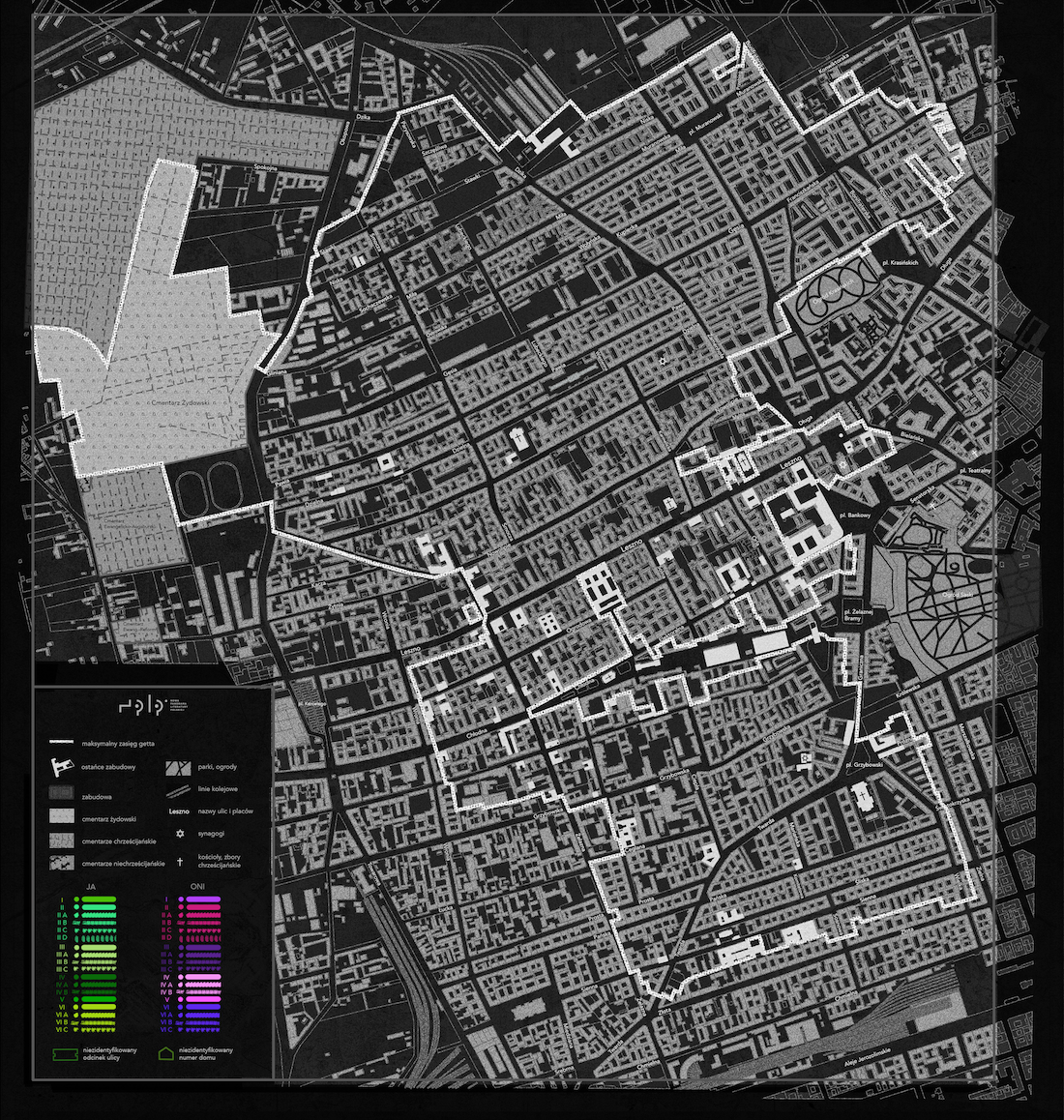
Go to the map of Henryk Bryskier places at the “Aryan side” of Warsaw
Henryk Bryskier (born 3 July 1899, died 18 October 1945), mechanical engineer, social activist. During World War I, he fought in the Polish Legions. In the inter-war period, he was a social welfare and tourist activist. Among other things, during the war he organized refugee points. In the ghetto, he served as vice-president of the Jewish Welfare Society, and also held the position of chairman of the House Committee at Leszno St. 15. During the ghetto uprising, his wife was killed, while he himself (miraculously saved) was deported to the Majdanek camp. Several months later, he escaped and was hiding in Warsaw until the end of the war, first on Czerniakowska Street (where he wrote his memoirs, Pamiętnik), and later in Praga. He lived to see Soviet troops marching into the city district in September 1944. He worked briefly in the Lublin-based Polish Committee of National Liberation (PKWN), and after returning to Warsaw he becomes director of the Department of Chemistry in the Ministry of Industry and Trade. He died on 19 October 1945 from an illness he contracted during the war.
His Pamiętnik (memoirs), hidden in a tin carbide can, was found after the war, and in 1947 Bryskier’s daughter donates it to the archives of the Jewish Historical Institute. The entries are written from memory, which leads to several historical inaccuracies and determines how they are kept. Jacek Leociak writes: “Henryk Bryskier’s memoir, which he called a ‘monument of words and paper’ erected to his murdered wife – is a gesture of tribute to the suffering of his loved ones and a will to commemorate their fate as an example of the fate of the collective.”
PLACES:
– Aleje Ujazdowskie (poza gettem), – Chłodna 33, – róg ulic Ciepła/Grzybowska, – Dzika 1-29, – Dzika 3, – Dzika 15, – Dzika 17, – Dzika 19,
– Elektoralna, – Franciszkańska, – Franciszkańska 24,- Franciszkańska 30/32, – Gęsia, – Gęsia 6, – Gęsia/Okopowa (cmentarz żydowski),
– Gęsia 22/24 (więzienie), – róg ulic Gęsia/Zamenhofa (wacha), – Grzybowska 26/28 (Gmina Żydowska), – Karmelicka, – Koźla,
– Krochmalna, – Królewska 23, – Leszno, – Leszno 2, – Leszno 2 (kawiarnia “Sztuka”), – Leszno 5/Rymarska, – Leszno 13, – Leszno 16 (kościół Ewangelicko-Augsburski), – Leszno 32 (kościół Narodzenia NMP), – Leszno 43, – Leszno 53/55 (gmach Sądów Grodzkich),
– Leszno 58, – Leszno 84/Żelazna 95 (Batalion Pracy/Szpital), – Leszno 109 (Durchgangslager – obóz przejściowy), – Leszno (między Solną a Żelazną), – róg ulic Leszno/Żelazna (wacha), – Muranowska 40-44, – Muranowska 44, – Mylna, – Nalewki, – Nalewki 28-38 (szop Brauera), – Nalewki 32, – Nalewki 40, – Nalewki 42, – róg ulic Nalewki/Świętojerska, – Niska 20/Stawki 21, – Nowolipie, – Nowolipki, – Nowolipki 29, – Nowolipki 48/50 (kościół św. Augustyna), – Oboźna, – Ogrody Sejmowa – Wiejska (poza gettem), – Orla, – Pawiak (Dzielna 24/26), – Plac Grzybowski 3/5 (parafia kościoła Wszystkich Świętych), – Plac Krasińskich/Świętojerska, – Plac Muranowski, – Plac Piłsudskiego (Hitlerplatz), – Przejazd 5, – Przejazd 9, – Rymarska, – Sienna, – Sienna 16/Śliska 9, – Sosnowa, – Spokojna, – Stawki 4 (Umschlagplatz), – Stawki 6, – Stawki 9, – róg ulic Świętojerska/Franciszkańska, – Świętojerska 34 (Wałowa 6) (szop szczotkarzy), – Targówek (poza gettem), – Tłomackie, – Tłomackie 4, – Tłomackie 5, – Umschlagplatz, – Wołyńska, – Zamenhofa, – róg ulic Zamenhofa/Miła, – Zimna, – Żelazna, – Żelazna/Grzybowska (wacha).
AREAS:
– Obszar: Małe Getto, – Obszar: Rymarska – Elektoralna – Orla – Leszno,
ROUTES:
– Trasa: Dzika – Gęsia – Miła – Szczęśliwa – Plac Parysowski, – Trasa: Plac Muranowski – Muranowska – Zamenhofa, – Trasa: Karmelicka – Nowolipki – Zamenhofa – Stawki – Umschlagplatz, – Trasa: Leszno-Karmelicka-Pawiak,
Bibliografia
Primary Source:
- Henryk Bryskier, Żydzi pod swastyką, czyli getto w Warszawie w XX wieku, Oficyna Wydawnicza ASPRA JR Warsaw, 2006
Secondary sources:
- Archiwum Ringelbluma. Getto warszawskie,. I, eds. T. Epsztein, K. Person, Wydawnictwo Uniwersytetu Warszawskiego, Warsaw, 2016
- J. Leociak, Tekst wobec Zagłady (o relacjach z getta warszawskiego), Fundacja na Rzecz Nauki Polskiej, Wrocław 1997